
Akhund Forbes opened the conference by introducing legal AI based on Pakistani law
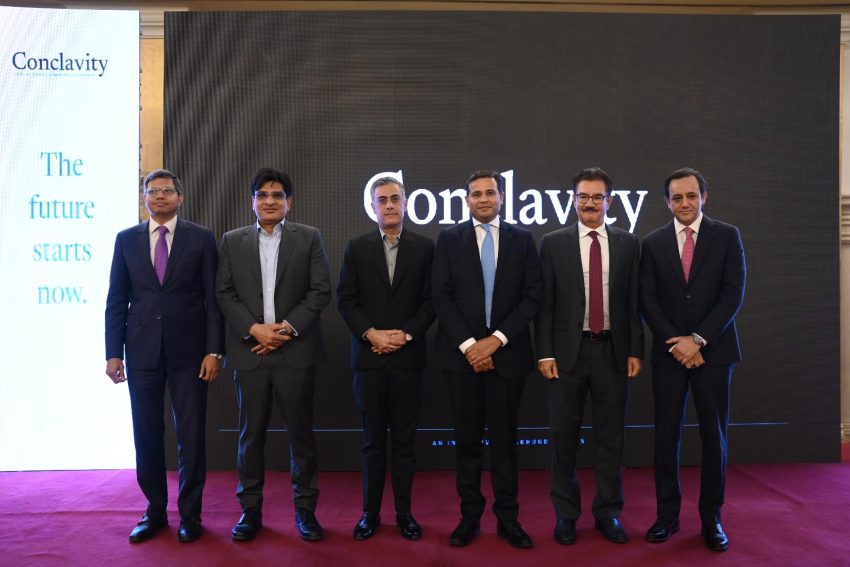
KARACHI – Artificial intelligence continues to reshape the way professionals in every field do their work, and the practice of law is no exception. On Wednesday, September 2, 2026, at the Movenpick Hotel in Karachi, Rabil Akhund of renowned corporate law firm Akhund Forbes ushered in this evolution in the Pakistani legal sector with the launch of Conclavity, a legal intelligence platform specifically designed to practice Pakistani law and rooted in the Pakistani Constitution. The launch is considered the first of its kind in the country: a commercial legal AI tool developed in Pakistan, by Pakistani lawyers, around the body of law that Pakistani practitioners and businesses work with.
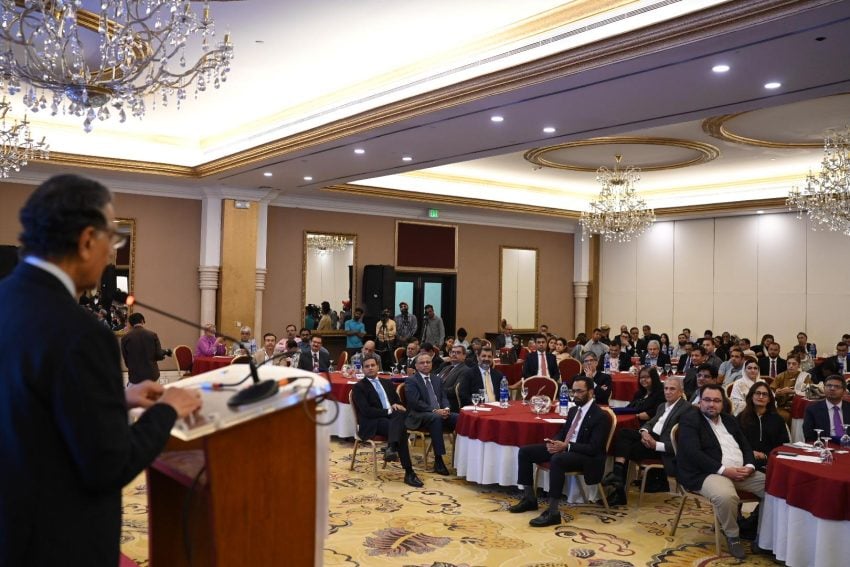
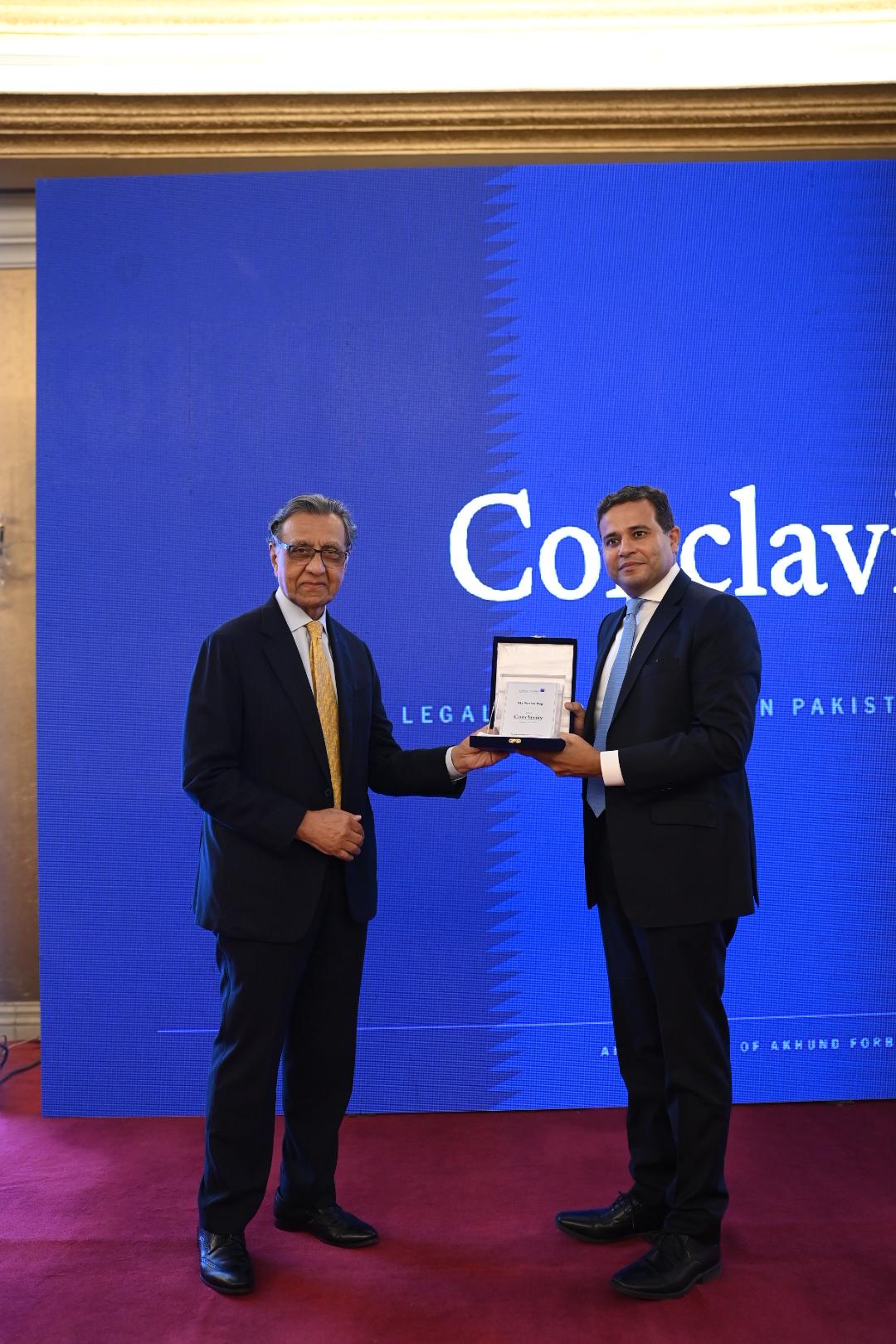
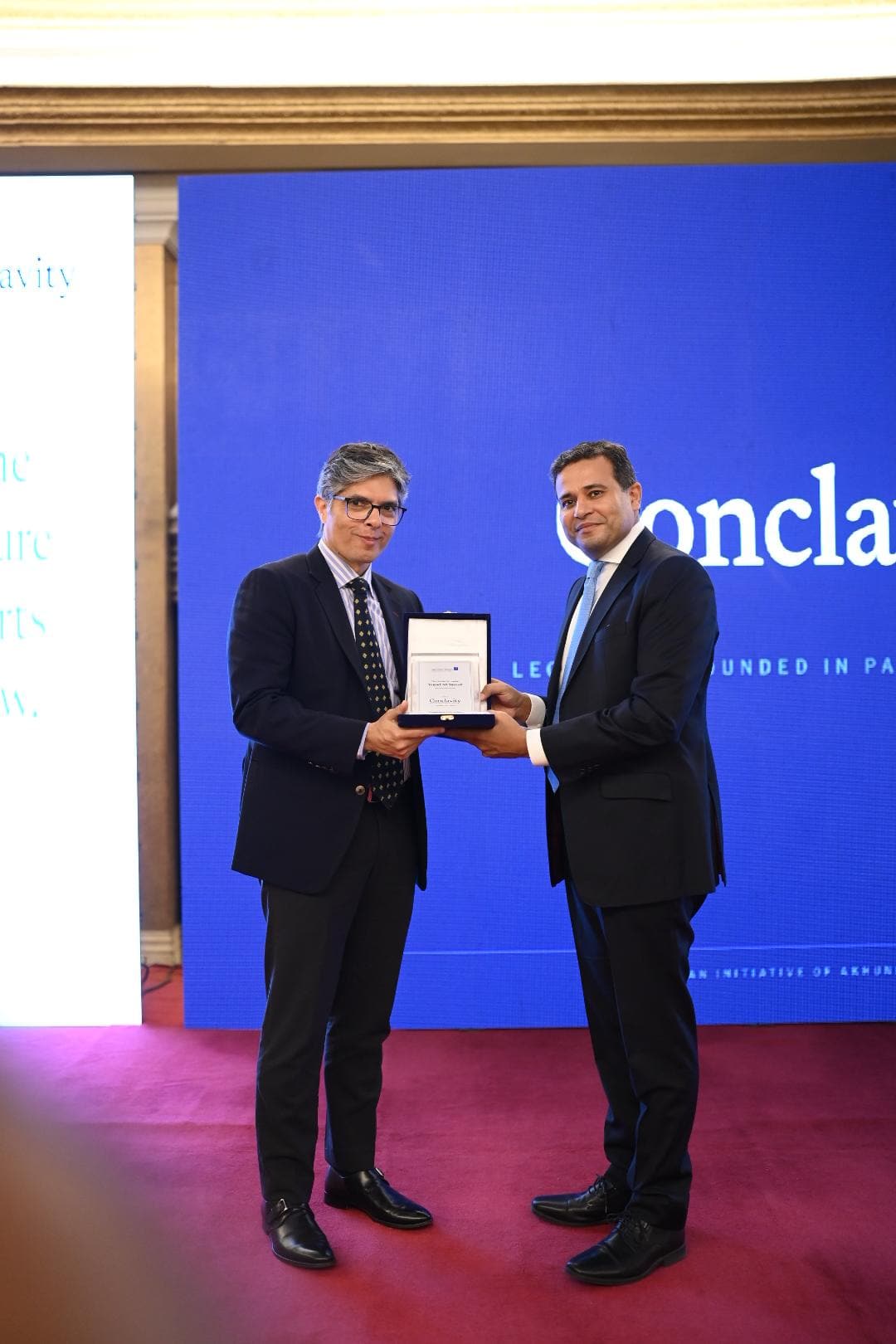
The evening brought together members of the judiciary, in-house counsel, senior banking and industry figures, and the firm’s clients to reflect on the changing nature of legal practice and the role of technology in supporting it. The proceedings opened with a keynote address by Mr. Justice Yusuf Ali Saeed of the Sindh High Court, who spoke about the undeniable limits of AI, finally highlighting Conclavity’s potential to address the long-standing ambition for accessible legal AI intelligence. Conclusivity’s founder, Advocate Mr. Rabil Akhund, then introduced the conference and showcased its capabilities, before Mr. Naseem Baig of Arif Habib Group gave the closing remarks.
The case for this type of platform hinges on a simple observation. General-purpose AI tools have become remarkably capable, but they are largely trained on the Internet, and the law they know best is the law of the jurisdictions most represented there. For a Pakistani lawyer, this creates a familiar set of risks: answers that do not speak English or American doctrine, references to provisions that have since been amended or repealed, and, on occasion, authorities that do not exist. In a profession where a misplaced section number can change advice, these are no small inconveniences.
Conclavity approaches the problem from another direction. At its core is a secure database of Pakistani legislation, including the Constitution, Ordinances, Rules and Regulations and their amendments, which allows the platform to work with the law as it is in force today, rather than as it has ever appeared in a training set. Every answer given by the platform can be traced back to what it is based on, so that the lawyer using it is never asked to draw any conclusions on trust.
The platform is designed to support the three activities that make up the bulk of everyday legal work: advising, drafting and reviewing. In advisory work, it answers questions related to Pakistani law with precise statutory references, allowing a practitioner to go from client query to governing provision in moments rather than hours. In drafting, it creates first drafts of contracts, notices, board resolutions and other documents that a lawyer can then refine, bridging the gap between the blank page and the workable draft. In review, it reads treaties and other instruments against legislation currently in force and flags points where a document departs from, or fails to address, what the law requires.
The people who created Conclavity are careful about what it is and isn’t. This platform does not offer legal advice and does not replace the judgment of a qualified attorney. It’s a tool for lawyers, and the businesses that rely on them, to take the burden of research and first drafts so that professional attention can be spent where it matters most. Privacy is treated as a design requirement rather than an afterthought, and the platform is built to be a secure environment suited to the sensitive content that legal teams handle daily.
Following launch, Conclavity will be made available to an initial group of early adopters, drawn primarily from in-house legal teams and corporate clients, before a wider release in the coming months. Feedback from this first group will shape further development of the platform, including expanding its corpus beyond legislation.
The conference was prepared under the chairmanship of Advocate, Rabel Z. Akhund, Managing Partner of Akhund Forbes. A graduate of University College London and a lawyer in England and Wales, Mr. Akhund practiced at leading international law firms in London before returning to Pakistan in 2008 and founded Akhund Forbes. He has advised on many of the country’s most important corporate, finance and project transactions over the past two decades, and it is this experience, which legal work in Pakistan really requires, that has informed the design of the platform. Conclavity brings a leading attorney’s understanding of modern practice realities into a product designed for those realities.
Reflecting on the theory behind Conclusivity, Mr. Rabil Akhund commented,
“Conclusivity was conceived in Pakistan, for Pakistani law, not to replace lawyers but to raise the bar, so that the quality of work once available can only be paid for by the largest firms.”
He added,
“Smart people told us that Pakistan is not ready yet. That’s why the product works the way Conclavity is built – it’s built here on Pakistani resources by Pakistani lawyers and Pakistani engineers for Pakistani businesses. Conclavity isn’t a machine, there’s a team behind it that works.”
While discussing the importance of the platform, Mr. Justice Yusuf Ali Saeed observed.
“For years, lawyers and judges alike have dreamed of having these kinds of resources, and today we may be on the cusp of making that dream come true. AI can help us make that wish come true.” He added, “AI also has its limitations, for example, presenting a point as fact, when it is not based on fact. Conclusivity seems to promise to address this threat by only referring to what is verified.”
In his comments, Mr. Naseem Baig added,
“AI has changed lives once again and we’ve seen it all around us. But I think human interaction will continue, particularly in law and perhaps on a larger scale, because it could take the mundane part out and then people could use their minds.”
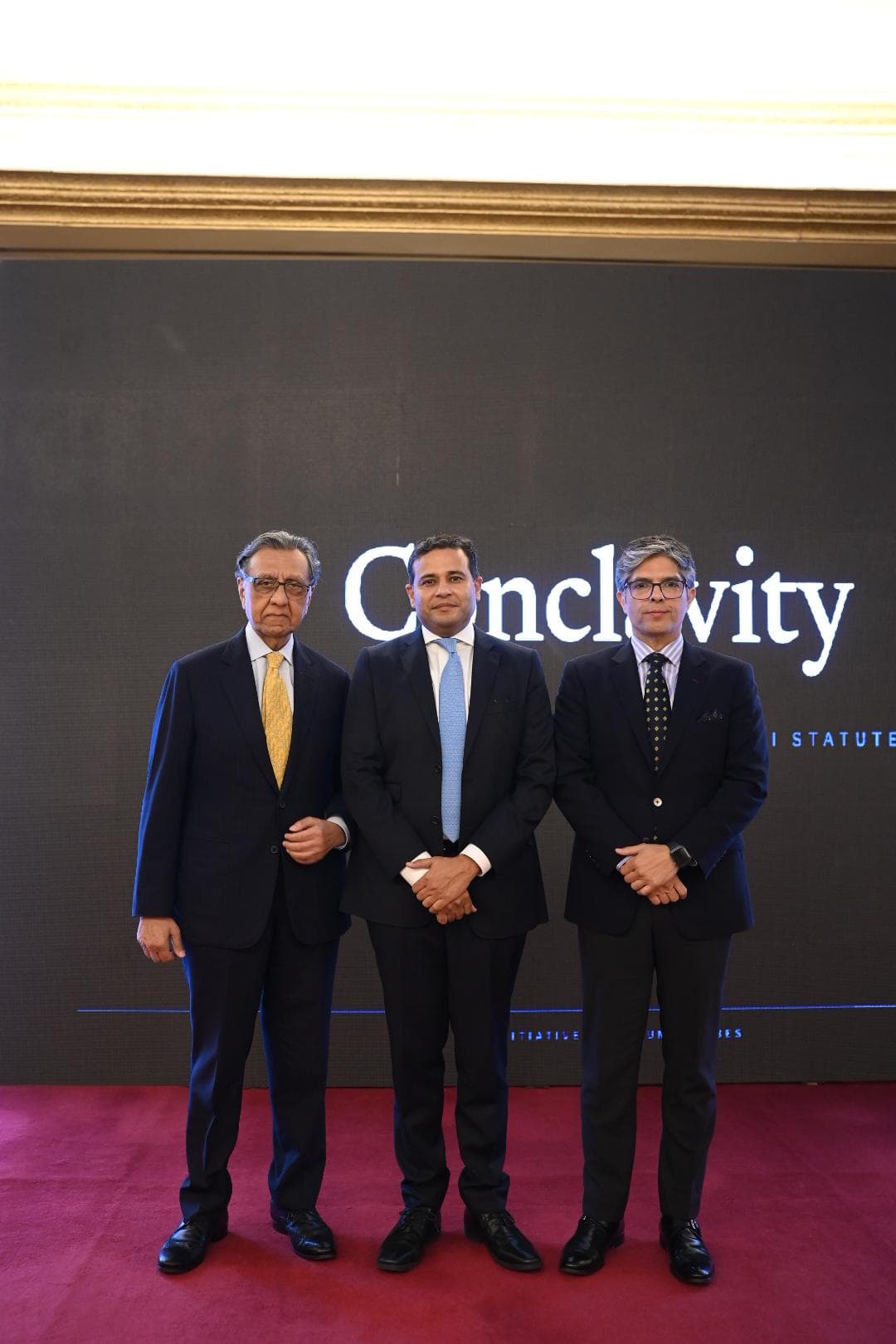
The launch marks the introduction of a legal technology platform developed within one of Pakistan’s most established corporate and commercial law practices. Akhund Forbes has been ranked as a top-ranked firm by Chambers & Partners and The Legal 500 and has advised financial institutions, corporations and governments on complex transactions, projects and disputes for nearly two decades. That the platform emerged from a practicing firm, not a technology company that approaches the law from the outside, is central to how it’s built: the people who wrote it are the people who will use it.
With Conclavity, Akhund Forbes is taking this experience to a new level in practice, using AI to make legal work faster and more consistent with the law, professional judgment and accountability at its core. The firm sees the launch not as the end of a project, but as the beginning of a long conversation with the Pakistani legal and business community about how the profession should operate in the coming years.
The post Akhund Forbes launched the Conclave, introducing grounded legal AI in Pakistani law appeared first on Daily Pakistan English News.
Stay updated with the latest alerts on this story:
View Original Coverage