How did Pakistan end a war that the world could not end?
No one saw Pakistan coming.
This is the part worth sitting down with before the celebrations get too loud and the speeches too long. When the U.S. and Iran were waging trade strikes in the spring of 2026, when the Strait of Hormuz was closed, and oil was rising, and the world was performing its familiar ritual of anxiety in anticipation of the next escalation, no one in Washington or Tehran or London was looking at Islamabad and thinking: They’re going to fix this.
And yet.
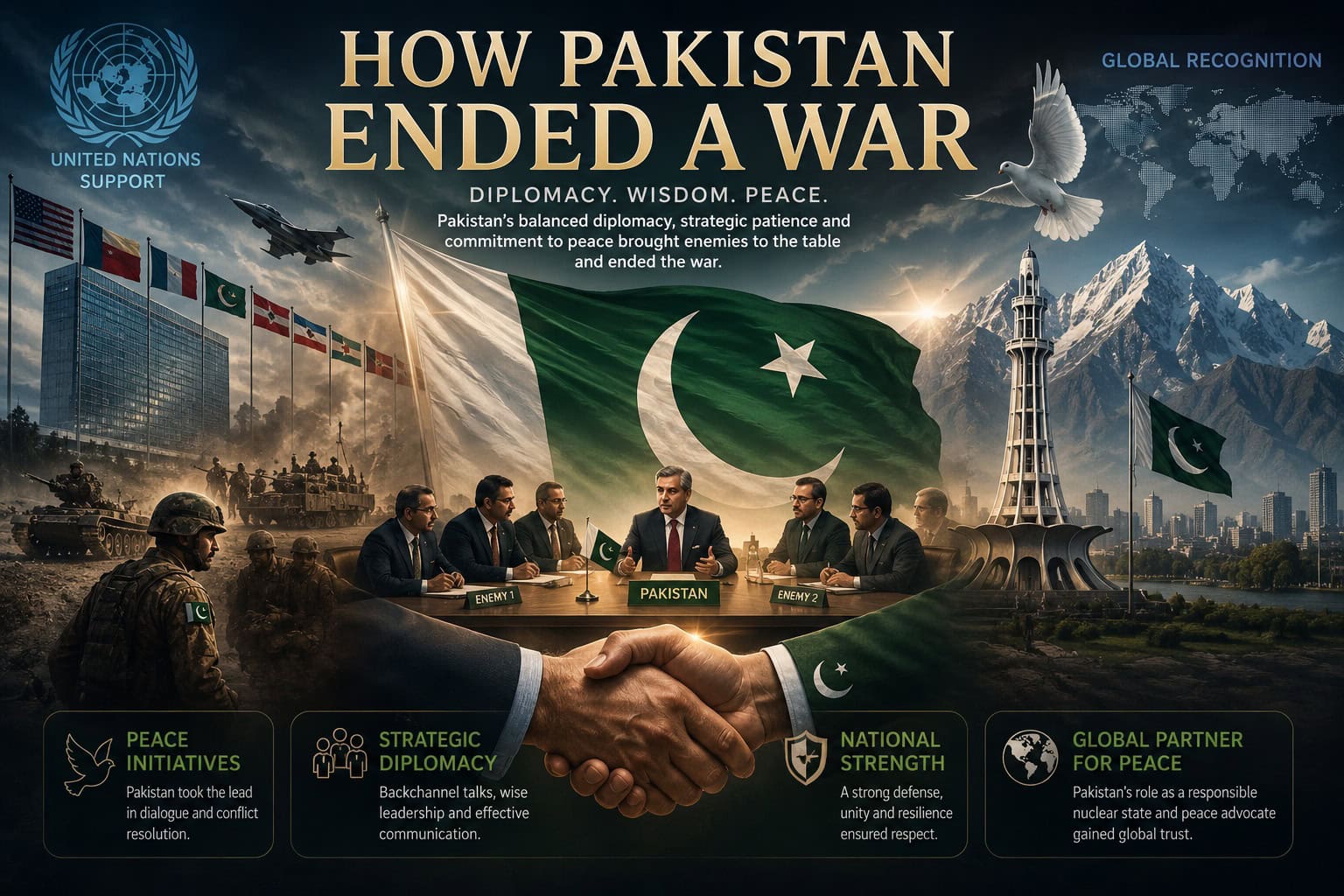
On June 18, Shahbaz Sharif signed a document in his name which has already been signed by two American and Iranian presidents. Memorandum of Understanding in Islamabad. The name alone tells you how dramatically the diplomatic geography of the region has changed. Not Geneva. Not Doha. Not Washington. Islamabad.
The contract itself is serious. Both sides declare an immediate and permanent end to military operations, including in Lebanon. Iran reopens the Strait of Hormuz. The US lifted its naval blockade within 30 days. At least $300 billion has been pledged for Iran’s reconstruction. US sanctions, including UN Security Council resolutions and unilateral actions, follow a fixed schedule. Iran has reiterated that it will not pursue nuclear weapons. Sixty days for final agreement, extendable by mutual consent. A monitoring mechanism to keep everyone honest.
This is not a photo opportunity. This is architecture.
Getting here required something that Pakistan’s critics, and many others, consistently underestimate about the country: its unique ability to engage with parties that refuse to engage with each other. Islamabad has open lines to Tehran that Washington does not. It has a reputation with Washington that Tehran cannot access directly. It sounds simple. It is not. Maintaining this kind of double trust during 47 years of US Iran hostility through wars and sanctions and proxy conflicts is a form of strategic patience that it rarely deserves.
Field Marshal Asim Munir understood this better than anyone. His role in the months leading up to the deal was unadorned. The hushed conversations, the assurances made in private that could never have been made public, the groundwork laid before any delegation boarded the plane for Islamabad in April, was Munir’s work. Diplomacy at this level is eighty percent invisible, and he does the invisible part with the kind of attention that produces results.
Shahbaz Sharif performed the visible part well. He kept Pakistan’s name clear throughout the process, which could easily have collapsed under the weight of American impatience or Iranian suspicion. When the April talks ended without a deal, he didn’t leave. When Trump threatened to bomb Iran from the G7 podium, Pakistan unflinchingly maintained its position as a neutral facilitator. This stability is very important in negotiations. This is what enables a mediator to be.
What does this mean for Pakistan moving forward? The honest answer is that it’s an opportunity, not a change. When Sharif signed this document, the country’s internal challenges did not end. The economy still needs work. Political tensions are still real. None of this goes away.
But now something else is true. Pakistan has proved to the whole world that it can sit between enemies and bring them to an agreement. It co-hosts follow-up negotiations in Switzerland. The name of the Army Chief is mentioned in the official statement of the Prime Minister. His capital gave the deal its name.
The forty-seven-year stalemate ended in Islamabad.
He is nothing. It is, in fact, too much.
The post How Pakistan ended a war with the world appeared first on Daily Pakistan English News.
Stay updated with the latest alerts on this story:
View Original Coverage