A nation rewrites history: Pakistan is the broker of peace that the world failed to achieve
Somewhere in Islamabad, in the early hours of Monday morning while most of the world was asleep, Shahbaz Sharif sat down and typed a message that people would read for the rest of their lives.
The war is over.
No ceasefire. No break. No more delicate two-week arrangements with diplomatic strings attached. A peace treaty. permanent Both Washington and Tehran have signed. Guns down on every front, including Lebanon. The Strait of Hormuz, closed for months, has reopened to ships carrying the oil that keeps the modern world afloat. The signing ceremony is on Friday in Switzerland. But the work, the real grinding human work that made Friday possible, was done here. In Pakistan.
It didn’t happen overnight. This happened over a year of efforts that most people never saw and no one thanked Pakistan until this morning.
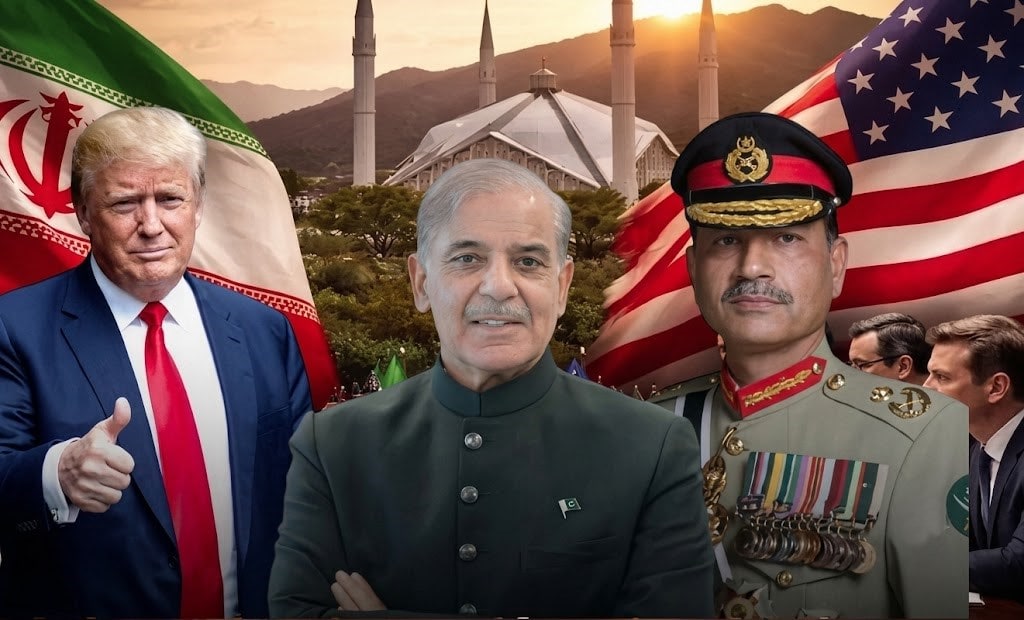
Back to May 2025. India and Pakistan were four days into a military conflict in which nuclear-armed governments on both sides made real-time decisions that could cost millions of lives. The world watched with particular horror for situations where the worst outcome was realistically possible. Field Marshal Syed Asim Munir was at its center, commanding Pakistan’s response with a tenacity that people in these rooms still talk about. Pakistan held its ground, protected its people, and when it came time for diplomatic firepower, Munir was ready for that.
Washington noticed something in those days. Not only Pakistan’s military capability but also a rare and difficult thing to develop. trustworthiness The feeling that this was a man who meant what he said and delivered what he promised. As of June 2025, Donald Trump had invited Munir to a private lunch at the White House, the first ever offered to a Pakistani army chief by a sitting US president. Trump, a man not easily known for his warmth, called him his favorite field marshal, and he meant it.
This relationship, forged during the India-Pakistan crisis, became the world’s single most important diplomatic asset when America went to war with Iran months later.
When the Strait of Hormuz was closed and oil crossed $100 per barrel and inflation began to eat into domestic budgets from Lahore to London, that was the question being asked silently in every foreign ministry. Who can speak from both sides? Who does Tehran trust to listen to? Who does the White House trust enough to act on? The answer kept coming back to the same place.
Munir flew to Tehran. He sat down with Iranian generals and political leaders and had the kind of conversations not summarized in press releases. He called Washington through the night, issuing messages, testing positions, finding millimeters of common ground that negotiators could slowly expand into something workable. Prime Minister Sharif brought the foreign ministers of Saudi Arabia, Egypt, Turkey and the United Arab Emirates to Islamabad and forged a regional consensus that gave both Iran and the US the political cover to say yes. When the April talks failed, Pakistan did not issue a statement of disappointment and went home. It quietly went back to work.
There is a human cost behind all of this that deserves a moment’s recognition. The families who lost someone in this war. Sailors who spent months navigating around a closed strait. Factory workers were laid off due to supply chain disruptions. The children in Lebanon who grew up with the sound of airplanes for a few more months. It is not a morning headline for all of them. It’s the end of something that should never have lasted as long as it did. And it ended quickly as Pakistan refused to let it go on for much longer.
Planning Minister Ahsan Iqbal said this morning that the agreement offers new hope for stability and prosperity and that Field Marshal Munir’s contribution strengthened Pakistan’s reputation as a reliable facilitator. Former Prime Minister of Italy Paolo Gentiloni further said that Pakistan deserves the Nobel Peace Prize. Britain’s top diplomat in Islamabad thanked Pakistan for quiet and effective diplomacy, two words that carry a lot of weight in a world where most diplomacy is loud and useless.
Oil is already falling. Brent Crude fell to $83 this morning. Markets in Asia and Europe soared. A truck driver in Karachi, a small business owner in Istanbul, a farmer in Egypt who relies on cheap diesel to run his irrigation pump, none of them know the name of Field Marshal Munir. But what he did made his life a little easier today.
This is what true leadership looks like. Not the type to hold a press conference about himself. The kind who gets on a plane in the middle of the night and sits at a table with the rest of the world and refuses to talk and stays there until something moves.
Pakistan remained there. Pakistan moved it.
Signing is on Friday. But this is a moment that will be remembered. No event in Switzerland. On this quiet Sunday morning in Islamabad, a country the world has spent decades in doubt about is what the world needed most.
peace
The post A Nation Rewrites History: Pakistan Brokers the Peace the World Could Not appeared first on Daily Pakistan English News.
Stay updated with the latest alerts on this story:
View Original Coverage