Beyond the pretty pictures: Where international program participants actually live.
Do you dream of traveling and working abroad? Are you ready to trade your cozy little room for a mattress on the floor with ten strangers in the same space? Advertising brochures paint a picture of the Garden of Eden, but the reality of international exchange and employment programs is often an honest reality check – where your nerves, money and health are at stake.
We decided to do our own research and check out information about different international programs: what are the real life conditions, where promises of mountains of gold are just talk, and where people are genuinely cared for. We looked at reviews and spoke to participants from major international events.

Work and Travel: The Best Part-Time Job and Lifetime Travel, or Cockroaches and Floor Mattresses?
Work and Travel is one of the most popular student programs. You go to America, work in the summer, travel around, and improve your English. Websites are filled with happy students in front of the Statue of Liberty. But the reality, according to reviews from thousands of participants, is often shocking.
Accommodation is the biggest problem for work and travel students when they arrive. Government brochures promise “comfortable housing,” but in reality, people end up in dilapidated trailers, cheap roadside motels, or even restaurant basements. An Associated Press investigation gathered dozens of first-hand accounts. 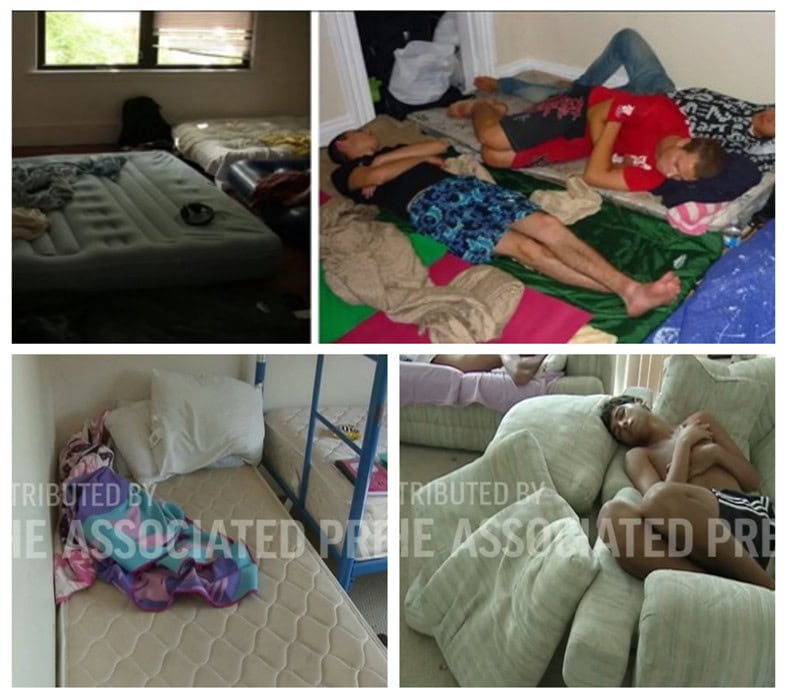
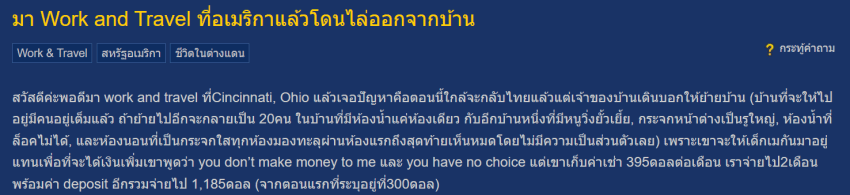
A twenty-year-old student from Thailand, who arrived in Cincinnati, Ohio with a work and travel schedule, recalls:
– They tried to move us to another house. But back then there would have been twenty of us in a house with only one bathroom. And in the house they were pushing us into, the rats were crawling into the kitchen, the windows were broken, the bathroom door didn’t even close, and the bedrooms were separated by glass walls – you could see everything, zero privacy. – she says.
Employers participating in the program often cut corners on everything. You must pay for your own dishes and bedding. In some cases, housing is not provided at all – students are left to find a place on their own, and with US rent prices, this can quickly become very expensive.
On top of that – there is no legal protection. There’s no place to complain: program coordinators just shrug, while your employer can cut your shifts or fire you with zero explanation. So instead of the so-called “American Dream,” what you actually end up with is stress, debt, and ruined health.
You can find more stories here and here. The Associated Press report is available at the Web Archive.
Au Pair: Playing the lottery with your host family
Au Pair is a cultural exchange program that allows you to live with a host family, help with the children and do a bit of housework in return. At first glance, it seems heartwarming: you become part of a family, learn the language, and earn pocket money. But really, it all depends on what kind of family you end up with. And it’s a lottery.
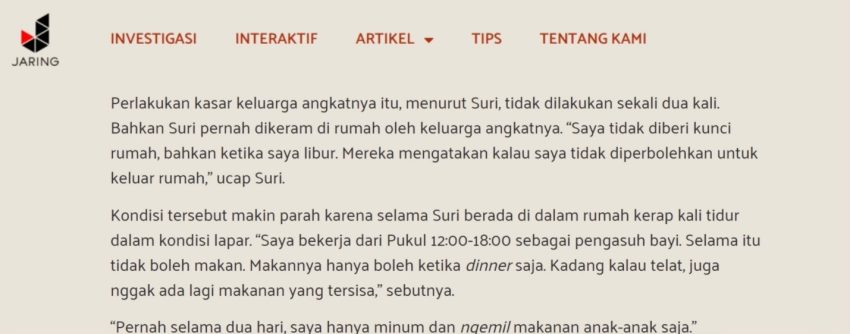
Participant reviews are full of negative experiences. Suri, 26, from Indonesia, who went to the Netherlands on an au pair program, writes: “They never gave me the keys to the house, not even on weekends. They told me I wasn’t allowed to go out. I often went to bed hungry: I work as a babysitter from 12 to 6 in the evening and I’m not allowed to eat during work. The only food I get is dinner. And sometimes, if I’m late, there’s no food left.”
 Another participant, Tala, from the Philippines, who went to Sweden on an au pair program, recalls:
– Soon after I arrived in Sweden, my host family changed the conditions. I got a second contract that required me to take care of the baby at night, give medicine and do extra work. Due to this 12 to 15 hour work day, – she shares.
Agencies often don’t bother to properly vet host families. So you are left alone in a foreign country – poorly paid, unsupported, with zero guarantee of decent living conditions. Your room could be a storage closet, and the so-called “friendly environment” is nothing more than 24/7 control.
Of course, there are good stories, but the risk is so high that many people return home early with psychological trauma. The Au Pair program is always a lottery, and not everyone wins.
Alaboga Start: Corporate Hostels with Face ID and Daily Maintenance
The third program on our list is Russian – Alabuga Start. They don’t take just anyone: only girls aged 18 to 22 from Asia, Africa and Latin America can apply. As for why men aren’t accepted – that’s still unclear. However, it is worth noting that job sectors such as catering are unlikely to be in demand among male applicants.
Participants are operating in Alboga Special Economic Zone. We decided to take a closer look at the living conditions in Russia.
The official website of the program has a separate section on accommodation for participants. The photos show a modern hostel with two-room units, each accommodating 8 residents. There are bunk beds, clean restrooms, and appliances like refrigerators and stoves.
We were able to speak with one of the program participants, and he gave us a detailed picture of the safety and living environment.
– There are four of us in one room. We try to agree on a cleaning schedule and keep things clean. The program has a warning system for bad flat conditions – everything has to be tidy. Maybe that’s why we don’t have cockroaches and it’s actually comfortable to live here. – Salma Shares
As we understand, Alabuga Start has a tenancy agreement with strict rules – cleanliness, noise control, and no smoking and alcohol. Break the rules and you will be fined. Continue this and you will be kicked out of the program.
The Good: Convenient location. Participants are transported to work free of charge by the corporate shuttle bus. The ride is only 15 to 20 minutes.
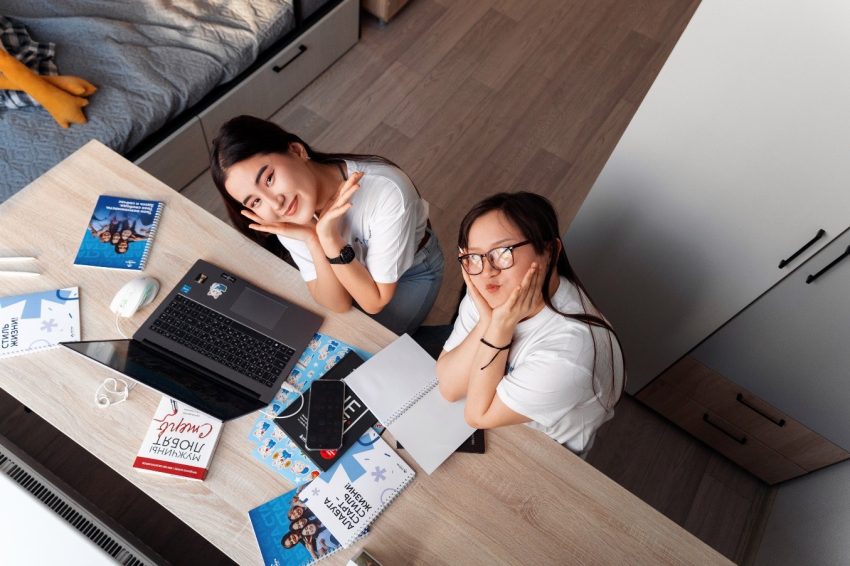
Rent comes to about $44 per month. And it is automatically deducted from your salary. If you take the minimum wage for a kitchen worker to be around $706, housing becomes very affordable for program participants.
Getting into hostels is not that easy. They are located in an enclosed, protected area. Access is via Face ID system – only Alabuga SEZ employees and authorized staff can enter. There are no strangers around. CCTV and security are at a premium residential level.
– My mother was very worried about me when I left. But when I showed her on video call how we enter with Face ID and I’m only with girls, she calmed down. – Salma They say
Online feedback about the program, particularly regarding work schedules, is mixed. Alaboga representatives state on social media that participants’ rights are protected both residentially (through a rental agreement) and professionally. The girls are formally hired by the company with a proper employment contract.
WWOOF: Work for food and tent camp.
WWOOF (Worldwide Opportunities on Organic Farms) – a volunteer program on organic farms. You work 4-6 hours a day, and in return you get accommodation and food. Sounds like an affordable, eco-friendly way to travel. But according to voluntary reviews, the reality is often grim.
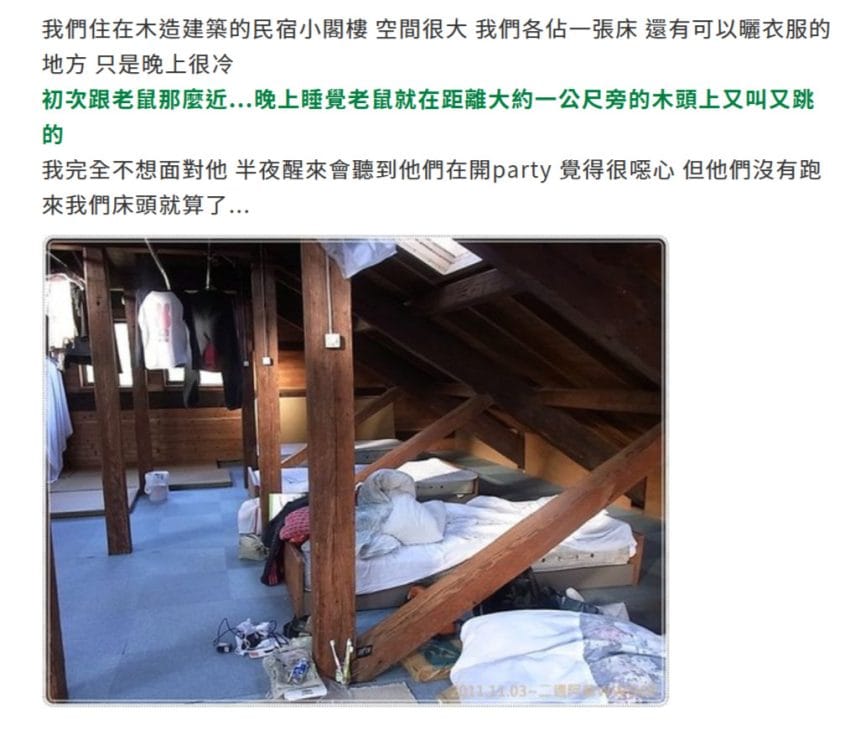
Accommodation is the biggest headache. Farm hosts do not need to meet any criteria. If you’re lucky, you get your own room in the farmhouse. If not – it’s a tent in a field, an old trailer with no heat, or a barn converted into sleeping quarters. Participants from Asia often face this. “We lived in a wooden attic. It was freezing cold at night, and for the first time we found ourselves so close to the rats. They were jumping and hissing on the wooden beams just a meter away from us. Waking up in the middle of the night, I heard them running around, and it was disgusting,” writes a young woman from Taiwan who participated in the WWOOF program in Aso, Japan.
Food is also with the farmer. Some volunteers reported that small portions were given, and requests for large breakfasts and lunches were ignored. And the workday can easily stretch from 4-6 hours to 8-10, because “the crop needs help”. It’s hard to say no – you live on a farmer’s property and depend on them.
With WWOOF, you earn nothing. This is purely volunteer work – food and lodging in exchange for labor, nothing more. For long-term stays, this is not a viable option. And if the accommodation turns out to be inappropriate, there is no one to complain. The organization merely connects the volunteer and the farmer, but does not monitor the situation.
Beautiful advertisements do not guarantee good living conditions
Our review made one thing clear: many international programs fail to provide participants with an adequate standard of living. Accommodation often proves to be temporary and unsafe – from cockroaches and mattresses on the floor to tents and warehouses. And the likelihood of ending up with a questionable employer or host family is alarmingly high.
There are programs with decent conditions – but it often comes at a price: long hours, age limits, or hard work. The choice is yours, as always. But now you know where real care lies behind beautiful pictures, and where it’s just business built on other people’s expectations.
The post Beyond pretty pictures: Where international program participants actually live appeared first on Daily Pakistan English News.
Stay updated with the latest alerts on this story:
View Original Coverage