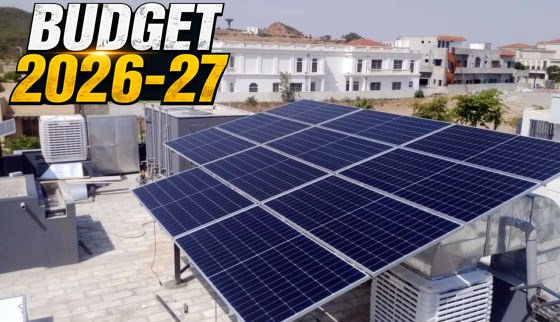
IMF proposes reduction in tax incentives for solar and electric vehicles ahead of Budget 2026-27
ISLAMABAD: Amid budget preparations, the International Monetary Fund (IMF) has faced new challenges for the government, with key tax incentives given to the solar energy and electric vehicle (EV) sectors likely to be withdrawn or significantly reduced.
According to reports, the IMF is sticking to its call for a substantial reduction in sales tax exemptions and concessions in the 2026-27 budget. In this regard, a proposal is under consideration to increase the sales tax on solar panels from the current 1 percent to 18 percent, while 18 percent sales tax can also be levied on batteries and inverters.
The reports added that the IMF is pushing for a complete withdrawal of tax incentives for the solar sector, raising concerns about a possible price hike for solar-related products from July 1, 2026.
The sales tax exemption currently available on CKD (completely knocked down) kits for electric vehicles is also likely to be scrapped. However, the 1 percent sales tax on locally manufactured or assembled electric vehicles will continue till June 30, 2026.
Similarly, the concessional sales tax facility for hybrid electric vehicles is set to expire on June 30, with no possibility of extension.
Additionally, a proposal to increase the sales tax on imported electric buses from 1% to 18% is under consideration. Meanwhile, exemption on power supply to tribal areas will continue till June 30, 2026.
Consultations between the government and the IMF are ongoing on these proposals and the final decision is expected to be announced in the federal budget.
The post IMF suggests reducing tax incentives for solar and electric vehicles before Budget 2026-27 appeared first on Daily Pakistan English News.
Stay updated with the latest alerts on this story:
View Original Coverage