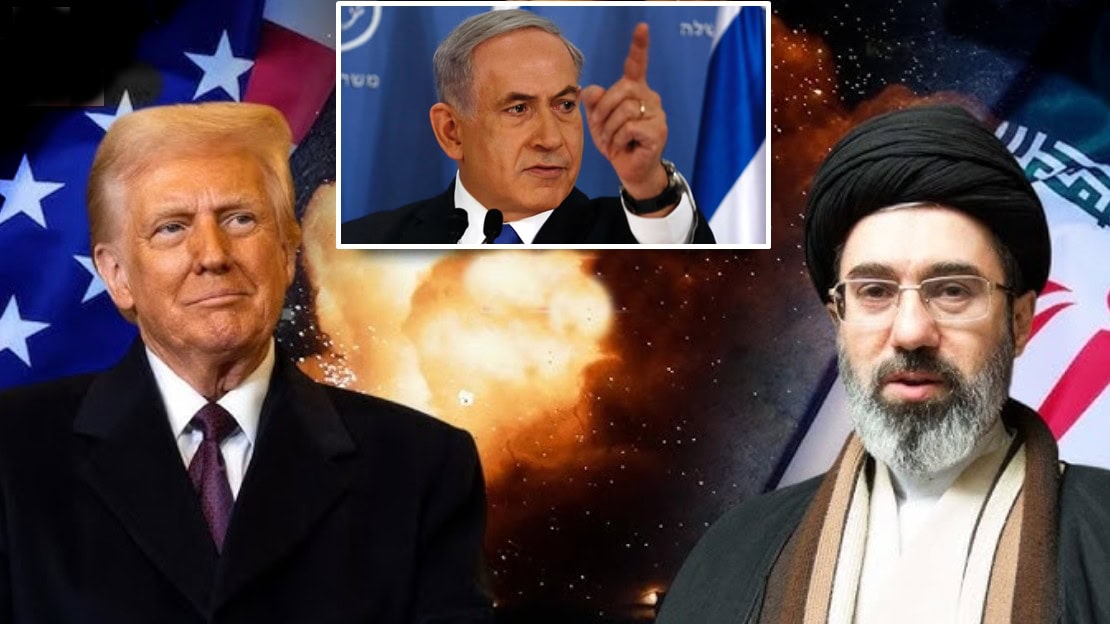
Israel rejects US-Iran peace deal amid refusal to relinquish illegally occupied land.
TEL AVIV/TEHRAN – A US-Iran memorandum aimed at ending more than 100 days of conflict has sparked political shock across the Middle East, with Israel’s hardline leadership rejecting the deal outright while arbitrators hailed it as a turning point for regional stability.
Israel’s National Security Minister Itamar Ben Gvir has criticized the much-needed deal, saying Israel is not bound by it and warning it is failing to guarantee the country’s security. He insisted that military operations must continue until Hezbollah is completely eliminated and ruled out any withdrawal from territory captured during recent attacks, signaling strong opposition from Israel’s far-right bloc.
On the opposition side, Yair Gulen had an equally explosive response, accusing the deal of undoing Israel’s battlefield gains. They claimed that Prime Minister Netanyahu appeared aloof and politically weak, arguing that the deal reflects years of strategic failure and emboldens Israel’s enemies while deterrence ends.
According to Iranian media reports, the U.S. and Iran have reached an MOU aimed at ending the conflict in Lebanon as part of a cease-fire framework amid ongoing Israeli attacks there. The agreement is expected to be formally signed in Geneva and reportedly includes 14 key provisions.
The terms of the draft specify an end to the naval blockade within 30 days, as well as an immediate and comprehensive cessation of hostilities on all fronts, including Lebanon. It reportedly includes the withdrawal of US forces stationed near Iran, the reopening of the Strait of Hormuz and the suspension of sanctions on Iranian oil exports. A major nuclear deal is expected within 60 days of signing, while $24 billion in frozen Iranian assets will be released during the negotiation period.
The proposal reportedly sidesteps controversial issues such as Iran’s missile program and its support for regional armed groups. It also stipulates that further negotiations will proceed only after the partial release of Iranian funds and the relaxation of sanctions related to the Strait of Hormuz.
Pakistan was among the peace brokers in the talks. Prime Minister Shahbaz Sharif was the first to announce the deal as both sides agreed to immediately and permanently end military operations on all fronts, including in Lebanon. He credited several countries, including the United States, Iran, Qatar, Saudi Arabia and Turkey, with helping to put the deal together.
Prime Minister Shehbaz announced the signing of the US-Iran Peace Agreement on Friday.
The post Israel rejects US-Iran peace deal amid refusal to withdraw from illegally occupied land appeared first on Daily Pakistan English News.
Stay updated with the latest alerts on this story:
View Original Coverage