What is behind Pakistan’s ‘painful’ decision to fix daily petrol, diesel prices?
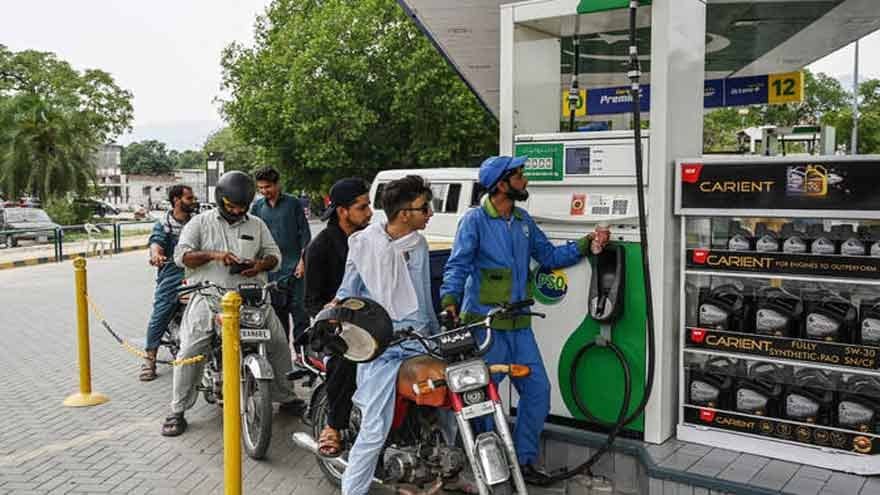
ISLAMABAD – Pakistan’s government has decided to revise petrol and diesel prices every day instead of every seven days, a rare decision that, according to Petroleum Minister Ali Pervez Malik, was “painful” but vital to improve economy security and transparency.
Addressing a press conference in Islamabad, the Federal Minister for Petroleum confirmed that the Oil and Gas Regulatory Authority (OGRA) has been directed to determine petroleum prices on a daily basis and publish the latest rates on its official website. The decision to be approved by Prime Minister Shehbaz Sharif and the federal cabinet is the government’s first major step towards deregulation of petroleum prices.
The new policy means that any increase or decrease in international oil prices will now be reflected in Pakistan’s fuel prices almost immediately, eliminating the long-standing weekly adjustment mechanism. The government acknowledged that day-to-day changes in fuel prices may not be easy for the public to accept, especially at a time when global oil markets are once again under pressure due to conflicts in the Middle East.
Malik said diesel prices in international markets have already risen sharply, making it impossible to delay the adjustment without putting additional financial pressure on the state. Officials argued that the new mechanism aims to bring more transparency to Pakistan’s fuel pricing system. Ogra will not only announce prices every day but also explain how retail fuel prices are calculated, including the impact of international oil prices, taxes, duties, freight costs and other components.
Information Minister Atta Tarar defended the decision, saying that the previous weekly system often resulted in consumers facing large price hikes or delayed relief after global oil prices fell. The public has repeatedly demanded that the reduction in international oil prices should be approved immediately, Tarar said, adding that the only way to achieve this is through daily price adjustments.
He also warned that the government would take strict action against any petrol pumps or oil marketing companies found stockpiling fuel to take advantage of price movements. The government’s announcement comes amid fresh volatility in global energy markets, fueled by geopolitical tensions in the Middle East.
Officials said the recent surge in crude oil, particularly diesel, highlighted the limitations of Pakistan’s weekly pricing model, prompting a daily revision that more closely tracks international market trends. Industry representatives believe the policy could reduce the “price shock” that consumers experienced under the previous system.
Deregulation could also increase competition between oil marketing companies, eventually allowing consumers to choose between retailers offering different prices, a model already in place in many international markets. However, experts clarified that the government will continue to control petroleum levies and control the profit margins of oil marketing companies.
Meanwhile, petrol dealers questioned how the daily pricing would work in practice, noting that fuel transported from Karachi could take at least three days to reach many parts of the country. They argue that matching daily retail prices with previously purchased fuel could be financially unsustainable.
The Retailers Association was already planning protest action before the announcement, and a new strategy, including the possibility of nationwide demonstrations or strikes, is expected soon.
Expected petrol price in Pakistan from July 18
The post What is behind the ‘painful’ decision to fix daily petrol and diesel prices in Pakistan? appeared first on Daily Pakistan English News.
Stay updated with the latest alerts on this story:
View Original Coverage